How Much Does a Website Cost in 2026?

Introduction: Website Costs for Small Business Owners in 2026
Are you a small business owner curious about the expenses involved in building or updating a website in 2026? Understanding the costs associated with website development is essential for effective budgeting and planning, whether you’re creating your first site or enhancing an existing one. This guide is designed specifically for small business owners, offering a clear and practical overview of website costs in 2026. It explains different website types, defines key terms, and outlines how various factors - ranging from design complexity to ongoing maintenance - affect your overall investment. By the end, you’ll be equipped to make informed decisions and avoid unexpected expenses.
Quick Answer: Typical Website Cost Ranges in 2026
In 2026, website costs can vary widely - from $0 for a basic do-it-yourself (DIY) setup to $30,000 or more for a fully custom website. The final price depends on the development approach, complexity, and features included. Below is a practical overview of common project cost ranges:
| Website Type | Description | Build Cost | Annual Running Cost |
|---|---|---|---|
| Basic one-page website | A single landing page containing essential information | $500–$5,000 | $150–$400 |
| Small business brochure site | A simple informational website with several pages detailing services and contact details | $1,500–$7,500 | $300–$800 |
| Small ecommerce site | Up to approximately 50 products, shopping cart, and payment processing | $3,000–$15,000 | $600–$3,000 |
| Larger custom or high-traffic sites | Custom features and high scalability | $15,000–$50,000+ | Multi-thousand annually |
These estimates are based on recent market data from agencies and freelancers in English-speaking countries such as the United States, United Kingdom, Canada, and Australia.
At Marc Friedman Design Agency, we specialize in building custom, mobile-friendly websites for small businesses, typically falling within the mid-range of these cost brackets. Our services are neither low-cost template swaps nor high-end enterprise projects.
What Influences Website Costs?
Website costs vary because several key factors combine to determine the final price. Understanding these drivers helps you budget more accurately.
Scope and Number of Pages
- A basic website with only a few pages costs significantly less than a content-rich site featuring blogs, resource libraries, or extensive portfolios. Simple informational sites cost less, and complex sites with more pages cost more.
- More pages and diverse content types increase development time and cost.
Design Complexity
- Simple template-based web design is more affordable than custom user experience (UX) and user interface (UI) designs that include animations and storytelling. Cleaner layouts with fewer features on the same page are often cheaper to build and easier to use.
- Custom design work requires more time and budget, while a minimalist design direction can reduce costs and support a better user experience.
Functionality
- Basic features like contact forms are straightforward and inexpensive.
- Advanced features such as booking systems, user logins, memberships, ecommerce capabilities, integrations, and chatbots add complexity and cost. Businesses that need industry-specific or other specific features often pay an additional cost.
Content Creation
- Copywriting, photography, video production, and graphic design are often underestimated expenses. Hiring a professional photographer raises cost but can improve the quality of visuals when you need high quality images for key pages or custom brand photography.
- Content development and migration contribute significantly to overall costs.
Platform Choice
- Options include website builders, a website builder for simpler website building, WordPress, or fully custom frameworks, each with different price points.
- Content management systems (CMS) enable easier content updates without coding.
Mobile Requirements
- A truly mobile-friendly website means a responsive website that adapts to the user’s device and works well on phones and tablets. A modern setup is usually better than maintaining a separate mobile version or dedicated mobile version.
- Mobile-friendly design enhances usability and accessibility, helping create a mobile friendly site while improving SEO value and rankings for a mobile website.
Ongoing Services
- Maintenance, updates, marketing, managed hosting, and support add to ongoing expenses.
Note: Consider costs over a 12 to 36 month period rather than focusing solely on initial build expenses. A low-cost upfront project that requires frequent fixes or early redesigns often ends up costing more over time.
Essential Website Cost Components
Almost every website shares foundational cost elements, regardless of size or purpose.
Domain Name
- The website’s address on the internet (e.g., .com, .co.uk).
- Domains typically cost around $20 per year, although premium extensions like .ai can be significantly more expensive.
Web Hosting or Platform
- The service that stores your website files and makes them accessible online.
- Hosting fees for small businesses usually range from $5.99 to $24.99 per month; high-traffic or managed hosting plans may cost $50 or more monthly.
Website Design and Development
- Includes layout, templates, and custom coding. More advanced builds may require a web designer instead of a DIY setup.
- Costs range from a few hundred dollars for DIY projects to several thousand dollars for agency-built sites.
Content
- Text, images, and basic search engine optimization (SEO) on key pages.
- Even minimal websites require quality copy and visuals.
Security
- An SSL certificate to secure sensitive data, protect contact forms and other form submissions, and build trust.
- SSL certificates can range from $5.49 to $28.99 per month, though many hosting providers offer free SSL via Let’s Encrypt.
Ongoing Support and Maintenance
- Includes updates, backups, and technical support.
- Light maintenance typically costs $50 to $150 per month; more comprehensive services cost more.
Additional expenses such as ecommerce fees, marketing tools, and plugins are discussed in later sections.
DIY vs. Professional Development: Cost Considerations
Choosing between building your website yourself or hiring a professional is a major decision.
DIY Approach
- Utilizes website builders like Wix, Squarespace, Shopify, or WordPress with pre-made themes, which are attractive because many plans bundle templates and hosting with little technical work.
- DIY builder subscriptions generally cost between $120 and $300+ annually, and free tools like Kraken.io or Google’s PageSpeed Insights can help you check image compression or load speed before paying for outside help.
- The main hidden cost is your time investment.
Hiring a Professional
- Involves working with freelancers or agencies such as Marc Friedman Design Agency.
- Freelancers typically charge between $1,000 and $10,000 per project, depending on scope.
- Professional services often start at $530 for simpler builds, and a professional can help deliver a stronger web presence and long-term competitive edge.
- You benefit from a structured process including discovery, design, development, testing, launch, and training, though larger projects can become a significant investment as custom requirements grow.
Comparing Pros and Cons
- DIY Pros: Lower upfront cost, faster for simple projects, full control over minor changes.
- DIY Cons: Risk of poor user experience, slower mobile performance, limited design expertise, and lack of SEO strategy.
- Professional Pros: Tailored strategy, mobile-first design, SEO optimization, scalability, competitive advantage.
- Professional Cons: Higher initial cost, requires collaboration and feedback time.
Many clients begin with DIY but later hire professionals to fix issues, effectively doubling costs. Planning for professional help from the start can avoid this.
Website Cost Estimates by Size and Complexity
Here’s a breakdown of typical budgets based on website scale.
| Website Size | Description | Typical 2026 Build Cost | Annual Running Cost |
|---|---|---|---|
| Basic website (1–3 pages) | Home, about, and contact pages with a simple responsive layout and no complex integrations. | $800–$3,000 | $150–$400 |
| Small business site (5–15 pages) | Services, team, FAQ, blog, portfolio, and contact forms. Custom design, mobile friendly, basic SEO, and possibly simple booking or email marketing integrations. | $2,500–$10,000 | $300–$1,200 |
| Ecommerce or advanced functionality | Product catalog, checkout, payment gateways, tax and shipping rules, customer accounts, and other complex features. | $4,000–$25,000+ | Higher monthly platform and maintenance fees |
Marc Friedman Design Agency works across these tiers, tailoring scope to meet budgets from simple lead generation sites to small online stores.

Platform Choice and Pricing Impact
Your choice of platform affects upfront and ongoing costs as well as flexibility.
All-in-One Website Builders
- Examples: Wix, Squarespace, Shopify.
- Cost between $120 and $300+ per year for standard plans.
- Easy to start but limited in customization.
- Suitable for simple sites or quick ecommerce setups.
WordPress (Self-Hosted)
- Free to start but may require paid themes ($30 to $200), plugins, and hosting.
- Offers extensive flexibility and powers a large portion of the internet.
- Ideal for content-rich sites and growing businesses.
Fully Custom Frameworks
- Examples: Headless CMS, React/Next.js, Laravel.
- Higher development costs but superior performance and scalability.
- Custom web applications can cost $25,000 to $100,000 or more.
- Suitable for high-traffic or feature-heavy projects.
Marc Friedman Design Agency primarily works with WordPress and modern builders, moving to custom frameworks when justified.
Design and UX Costs: Templates vs. Custom Work
Design encompasses aesthetics, structure, navigation, and user experience.
Template-Based Designs
- Often included with builders; premium templates cost $30 to $300.
- Cheaper but less unique and sometimes less optimized for mobile.
Custom Design
- Unique layouts, tailored graphics, prototyping, and user testing.
- Website design services start at about $530 for basic custom work and can exceed $10,000 for advanced UX projects.
- Custom design adds value by creating data-driven, conversion-oriented experiences.
Mobile-First Design
- Designing primarily for mobile screens first, using a mobile first approach, then scaling up.
- Includes touch-friendly elements, readable fonts (16 to 18px body text), and simplified navigation focused on only the critical functions on smaller screens.
- Adds some cost but typically improves conversions.
Mobile Friendly Website and Responsive Design Costs
In 2026, mobile-friendly design is essential. Approximately 60% of web traffic comes from mobile devices, and Google prioritizes mobile-friendly sites in search rankings.
Responsive Design Explained
Responsive design uses flexible grids and media queries to adapt layouts to any screen size, changing how the site appears based on the user’s device and screen size and ensuring one site works on all devices. This approach also typically preserves more SEO value than maintaining a separate mobile setup.
Mobile-Friendly Features
Includes optimized navigation, with patterns like a hamburger menu to save space on smaller screens, appropriate button sizes, readable fonts, and forms designed for mobile users, with a viewport meta tag helping pages render at the correct width. Mobile-friendly features should also avoid browser plugins such as Flash, since using HTML5 instead improves mobile compatibility. Users also should not have to dig through multiple pages to complete simple tasks on mobile.
Cost Implications
- Basic responsive layouts are often included with modern themes.
- True mobile optimization with custom navigation, performance tuning, and testing across Android and iOS devices and major mobile browsers can add $300 to $2,000 to project costs, and teams may also check other mobile browsers when compatibility matters.
Marc Friedman Design Agency includes mobile testing and optimization as a standard part of projects.

Content, SEO, and Copywriting Costs
Content development is a frequently underestimated cost that can delay launches and increase budgets.
Content Includes
- Page copy (home, services, about, FAQs).
- Blog posts and resource articles.
- Product descriptions for ecommerce.
- Professional photography and graphics.
Typical Costs
- Professional copywriting: $150 to $500 per page.
- SEO setup (keywords, meta tags, on-page structure) often included or billed hourly.
- Photography: $250 to $2,000+, with stock images costing $5 to $50 each.
Importance
Building SEO-friendly content and structure from the outset saves money compared to retrofitting later.
Marc Friedman Design Agency collaborates with writers and photographers to help clients budget realistically.
Ecommerce and Advanced Features Costs
Adding ecommerce and advanced functionality increases complexity and cost.
Ecommerce Cost Components
- Platforms or plugins (Shopify, WooCommerce) with monthly fees of $15 to $30.
- Payment processing fees (2.4 to 3.5% plus fixed fees per transaction).
- Product catalog setup, tax, shipping, and currency configurations.
- Security enhancements to protect customer data.
Ecommerce sites typically cost $230 to $5,000 for lighter setups and $4,000 to $20,000+ for full-featured stores.
Other Advanced Features
- Appointment booking systems.
- Membership or learning platforms.
- CRM, email automation, and inventory integrations.
- Multi-language support.
Content management features can add $500 to $5,000 per element depending on complexity.
Marc Friedman Design Agency scopes these carefully to avoid surprises.
Ongoing Costs: Hosting, Maintenance, and Updates
Ongoing expenses continue after launch and are often overlooked.
Recurring Costs
- Hosting or platform subscriptions ($5.99 to $24.99 per month for small businesses).
- Domain renewals (~$20 per year).
- SSL renewals if not included.
- Software updates and plugin maintenance.
- Backups and uptime monitoring.
Typical Annual Totals
- DIY sites: $150 to $400 per year.
- Professionally managed brochure sites: $600 to $2,000 per year.
- Ecommerce and mission-critical sites: $1,500 to $10,000+ per year.
Marc Friedman Design Agency offers maintenance plans to help clients budget and avoid costly emergency fixes.
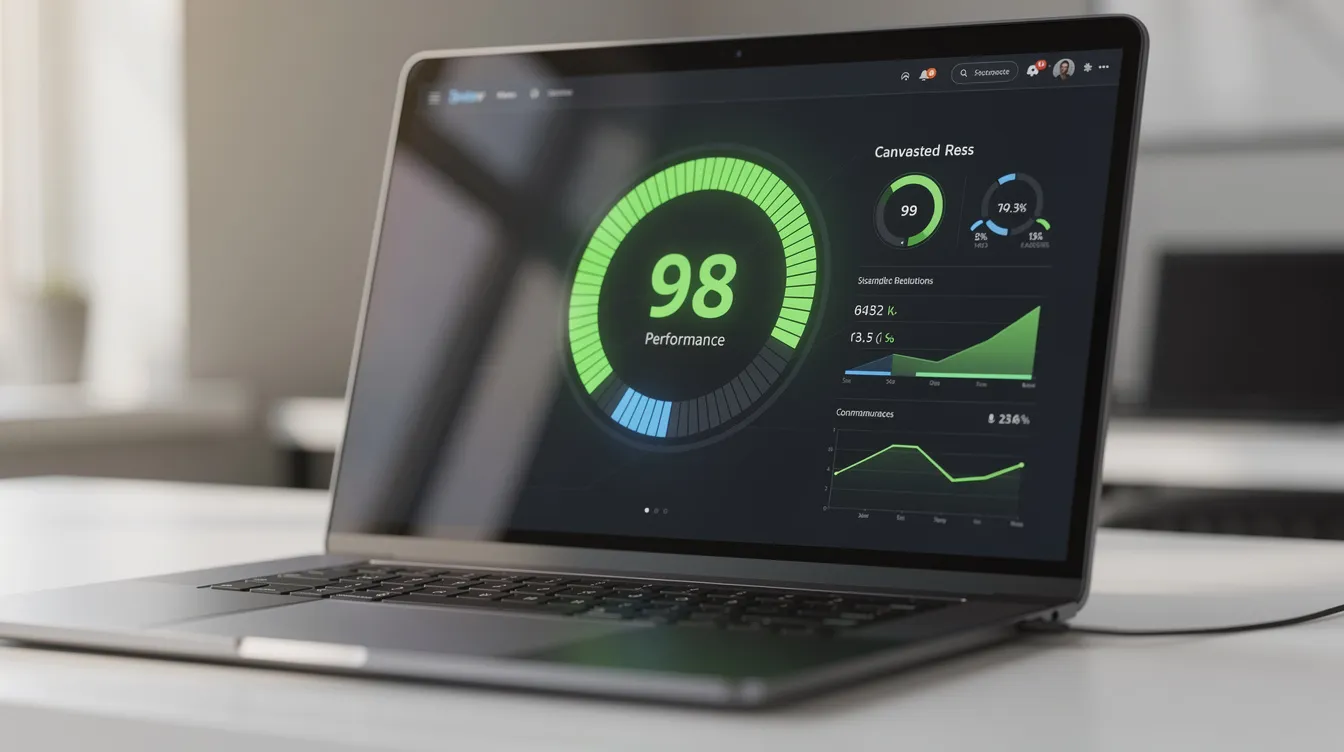
Performance and Mobile Speed Optimization Costs
Website speed affects user engagement and SEO rankings. Nearly half of visitors leave sites that take longer than two seconds to load.
Optimization Includes
- Compressing and converting images to modern formats like WebP or AVIF, without compromising quality; large image files are a common cause of slow loading times and a longer website loading time.
- Efficient coding and lightweight themes.
- Caching, CDNs, and minimizing third-party scripts, plus lazy loading so images load as the user scrolls.
- Testing on real mobile devices and typical network conditions, using tools like Google’s Mobile-Friendly Test and other free mobile performance checkers.
Small business sites might spend $500 to $3,000 on speed optimization.
Marc Friedman Design Agency’s Pricing Approach
Our pricing depends on project specifics rather than fixed rates.
Typical Process
- Initial consultation to define goals and features.
- Discovery and scoping to outline pages, content, and requirements.
- Detailed proposal with line items for design, development, mobile optimization, content, testing, launch, and optional maintenance.
Common Project Types
- Local service and lead generation sites: 5 to 10 pages, basic SEO, mobile responsive design.
- Portfolio and creative sites: Custom design and interactive elements.
- Small ecommerce stores: Product setup, checkout, and integrations.
We prioritize transparency with clear deliverables and costs.
Budget-Friendly Tips Without Sacrificing Quality
Phase Features
Start with essentials and add advanced functions later as revenue grows.
Use Strong Templates
Focus budget on UX, content, and performance rather than over-customizing.
Prepare Content Early
Delays often come from late copy and image delivery.
Simplify Mobile Navigation
Use standard patterns like hamburger menus and streamlined forms.
Be Selective with Plugins
Only add tools that deliver clear value and support critical functions.
We help clients prioritize features to launch sooner and improve over time.
Frequently Asked Questions
Can I build a website for free in 2026?
Yes, but free plans often include branding, no custom domain, limited support, and SEO restrictions. Suitable for placeholders but not professional business sites.
How much does it cost to make a website mobile friendly if I already have a desktop version?
Retrofitting can cost $500 to $5,000 depending on code quality and complexity. Modern best practices favor responsive design over separate mobile sites to avoid SEO issues.
What font sizes should I use for mobile screens, and does that affect cost?
Recommended body text size is 16 to 18px on mobile. This is part of UX design and usually not a significant separate cost.
Are there extra costs for ongoing SEO?
Yes, monthly SEO services can range from $500 to $2,000+ depending on market competitiveness and scope.
How much should I budget annually for a professional small business website?
Including hosting, maintenance, and updates, expect $600 to $2,000 per year for a brochure site; ecommerce sites cost more.
References: Market data and best practices are synthesized from industry reports and competitor insights, including GoDaddy, Wix, Forbes, TechTarget, and BrowserStack, as of 2024 to 2026.
Want a tailored quote?
Tell me your budget and goals and I’ll come back with a clear proposal: line items for design, build, mobile optimization, content, and launch, with no surprise costs later. Custom, mobile-friendly, and built to convert.
Related Articles
SEO for Construction Companies
Turn a website into a steady source of project leads with local SEO and project-proof content.

Mobile-First Design Principles
Why designing for the smallest screen first produces faster, higher-converting sites.